








MBA in AI Technology

MBA in AI technology is a specialized MBA program focused on building careers at the intersection of artificial intelligence, data, and business. It prepares learners to understand AI concepts, apply them to real business problems, and take on roles that connect technology capabilities with business outcomes.

MBA in AI Technology Course Overview

MBA in AI technology develops a solid base of understanding of designing intelligent systems, training and applying them within the context of real business. The program will include the basics of AI tecnology, such as the variety of machine learning, the major algorithms, the ways of preprocessing data, and the way of measuring the performance of the model. Students acquire a clear idea of the problematic aspects of overfitting and underfitting, as well as being introduced to deep learning and neural networks, which are applied in more sophisticated AI applications. 

The course focuses on real-world application with actual data, making sure to have practical exposure as opposed to theory. It also touches on the topic of ethics and bias in AI, enabling the learners to recognize responsible and equitable AI usage, in addition to discussing the future trends in AI technology  to enable them to meet the requirements of the industry.

MBA in AI Technology Syllabus

The MBA in AI Technology curriculum is aimed at enabling students to learn the philosophy of the development, testing, and implementation of artificial intelligence and machine learning technologies in the business world. The curriculum balances theory with practice and helps the learners shift theory to practice and get to know how AI systems can add value to various functions, including product development, analytics, operations, and decision-making. The program is built upon fundamental AI technology concepts and moves to techniques, ethical issues, and real-world applications so that the learner is ready to work in the industry.

Core Subjects MBA in AI Technology

The program includes the key AI technology skills such as:

  • Foundations of Artificial Intelligence & Machine Learning
  • Types of Machine Learning (Supervised, Unsupervised, Reinforcement Learning)
  • AI Algorithms & Model Development
  • Data Preprocessing & Feature Engineering
  • Model Evaluation & Performance Metrics
  • Overfitting, Underfitting & Model Optimization
  • Introduction to Deep Learning & Neural Networks
  • Ethics, Bias & Responsible AI

These topics allow the students to learn about the ways to construct, analyze, and use the AI systems in a responsible manner in the context of real business.

Technical Tools Covered in MBA in AI Technology

To facilitate practical learning and application of AI in practice, students are exposed to widely-used tools, including:

  • Python-based data analysis and machine learning libraries
  • Data preprocessing and visualization tools
  • Machine learning and deep learning frameworks
  • Model evaluation and experimentation platforms
  • Cloud-based AI technology development environments
  • Collaboration and version control tools for AI projects

The focus is on understanding how these tools fit into end-to-end AI workflows rather than just learning isolated technologies.

Capstone Project & Applied Learning

Students apply what they learn through real-world practice experiences, including:

  • Business case assignments
  • Analytics & Technology Lab
  • Hands-on group projects
  • A guided end-to-end Capstone Project


The capstone requires learners to choose a real business problem where AI can add value and build an applied solution approach using AI technology. Learners present their project outcomes and recommendations to faculty and/or industry reviewers, helping them graduate with portfolio-ready, real-world experience.

Read More
Play Video

Career path after the MBA in AI Technology course

MBA in AI technology opens the possibilities of working in the intersection of technology, data, and business decisions. Graduates are prepared to work on AI-driven initiatives across industries such as technology, consulting, finance, healthcare, e-commerce, and manufacturing. The first career steps are usually entry-level AI implementation and analytics roles, which evolve into product ownership, solution leadership and AI adoption strategic decision-making roles. With time, the professionals will shift to leadership positions wherein they will establish AI strategy, cross-functional team management, and large-scale AI transformation efforts.

Job Roles After MBA in Artificial Intelligence Technology

MBA in AI Technology graduates have an opportunity to work in a variety of positions, such as:

  • AI Product Manager
  • Machine Learning Analyst
  • Data Scientist
  • AI Business Analyst
  • AI Solutions Consultant
  • Applied Machine Learning Engineer
  • Analytics Manager
  • AI Strategy Consultant
  • Digital Transformation Manager

These roles focus on translating AI capabilities into business outcomes, rather than working only on isolated technical tasks.

Salary Trends in AI Technology

In AI technology, the salary is determined by industry, complexity of the role, technical complexity, and business responsibility. Nevertheless, the career opportunities related to AI are always promising in growth as more enterprises are turning to intelligent systems.

Typical Salary Range in India:

  • Fresh Graduates: ₹6-12 LPA
  • 2–5 Years Experience: ₹10–20 LPA
  • Mid-Level Management: ₹15–35 LPA
  • Senior Leadership Roles: ₹35–70+ LPA

Professionals who combine AI knowledge with business and leadership capabilities often command higher salaries than those with purely technical or purely managerial backgrounds.

Read More

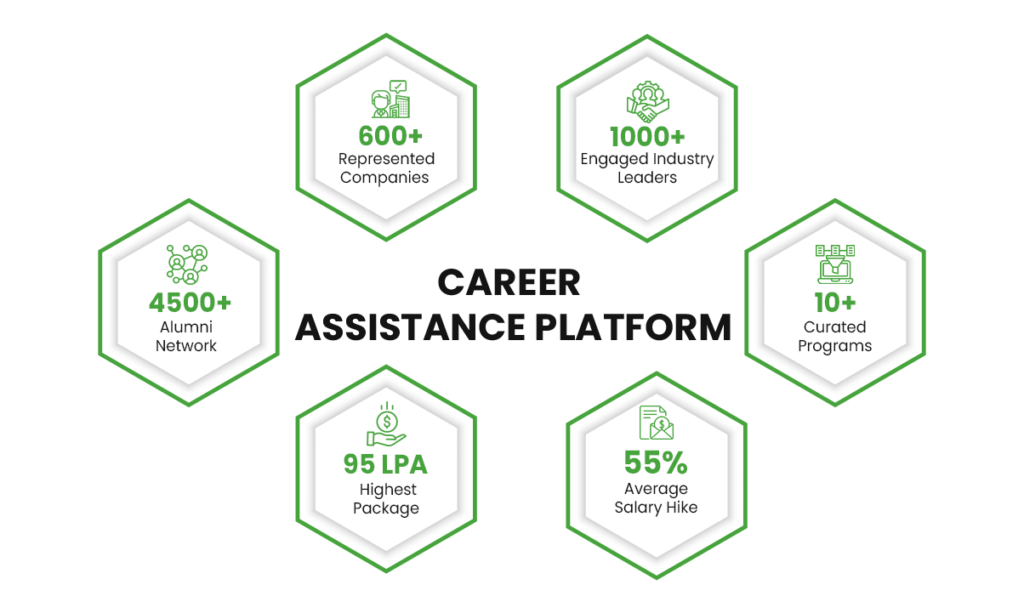
Career Impact and Accelerated ROI

The Institute’s signature Career Assistance Platform (CAP) provides dedicated support for program participants through

Learn from the people who “Do”, not just teach.

Global Practitioner Faculty at the Institute

Manjunath Subramanian
Director of Product
Management

Anand Shrivastava
Sr. Director of Product Management

Muthuraj Thangavel
Senior Product Manager

Akash Chandan
Staff User Experience
Researcher

Hear from Successful Alumni

Souradeep Dey
Shahid Ahamed Sharief Shahik

Frequently Asked Questions

Yes. Artificial intelligence is transforming industries worldwide, creating demand for professionals who can understand AI technologies, evaluate business opportunities, and lead AI-driven initiatives. An MBA in AI Technology can help professionals position themselves for leadership roles in this rapidly growing domain.

An MBA in AI Technology is suitable for:

  • Software Engineers
  • Data Analysts
  • Data Scientists
  • Product Managers
  • Technology Consultants
  • IT Professionals
  • Business Analysts
  • Entrepreneurs
  • Fresh Graduates interested in AI-driven careers

The program is particularly valuable for individuals looking to combine business leadership with emerging technology expertise.

Salary varies depending on experience, industry, and role.

Typical salary ranges include:

  • Fresh Graduates: ₹6–12 LPA
  • 2–5 Years Experience: ₹10–20 LPA
  • Mid-Level Management: ₹15–35 LPA
  • Senior Leadership Roles: ₹35–70+ LPA

Professionals who combine AI knowledge with business and leadership skills often command premium salaries.

Popular career options include:

  • AI Product Manager
  • AI Program Manager
  • Technology Consultant
  • Digital Transformation Manager
  • Business Analytics Manager
  • Product Manager
  • Innovation Manager
  • Technology Strategy Manager

These roles focus on driving AI adoption and business growth rather than building AI models themselves.

Not necessarily. While a basic understanding of AI concepts and technology is beneficial, most AI-focused MBA programs are designed to prepare professionals for management, strategy, product, and leadership roles rather than technical development positions.

A Master’s in Artificial Intelligence focuses on technical topics such as machine learning, deep learning, algorithms, programming, and model development.

An MBA in AI Technology focuses on:

  • Business Strategy
  • AI Adoption
  • Product Management
  • Leadership
  • Digital Transformation
  • Innovation Management

The goal is to prepare professionals to lead AI initiatives rather than build AI systems.

Yes. AI is expected to influence nearly every industry, including healthcare, finance, retail, manufacturing, education, logistics, consulting, and technology. The long-term demand for professionals who understand AI and business is expected to remain strong.

Professionals can find opportunities in:

  • Information Technology
  • Banking & Financial Services
  • Healthcare
  • Retail & E-commerce
  • Manufacturing
  • Consulting
  • Telecommunications
  • Logistics
  • SaaS Companies
  • Product Organizations

AI adoption is becoming a priority across virtually every sector.

Yes. Many AI-focused product roles require professionals who understand customer needs, business strategy, technology capabilities, and AI applications. An MBA can help build these skills and prepare professionals for AI product leadership positions.

Organizations increasingly seek professionals who possess:

  • AI Awareness
  • Data Analytics Skills
  • Product Thinking
  • Business Strategy
  • Leadership
  • Problem Solving
  • Innovation Management
  • Communication & Stakeholder Management

Successful AI leaders combine technology understanding with business impact.

The future scope is extremely strong because organizations need leaders who can evaluate AI opportunities, manage AI implementation projects, develop AI-powered products, and drive digital transformation initiatives.

Yes. Many AI leadership roles require business understanding rather than deep technical expertise. Professionals from management, consulting, operations, marketing, finance, and business backgrounds can successfully transition into AI-related leadership roles.

AI is becoming a critical part of decision-making, customer engagement, operations, product development, and business strategy. Future managers will increasingly need to understand how AI creates business value and competitive advantage.

MBA in AI Technology primarily focuses on AI applications, analytics, and AI-driven business opportunities.

MBA in Technology Management typically offers a broader curriculum covering:

  • Artificial Intelligence
  • Product Management
  • Technology Strategy
  • Digital Transformation
  • Innovation Management
  • Analytics
  • Leadership Development
  • Emerging Technologies

This broader approach can provide greater long-term career flexibility.

Professionals aspiring to become AI leaders, technology strategists, product managers, innovation leaders, consultants, or digital transformation experts often consider MBA in Technology Management because it combines AI awareness with business strategy, product thinking, analytics, innovation, leadership, and technology management.

This broader skill set helps professionals adapt to changing technologies and build sustainable leadership careers in the AI-driven economy.