
Is an Executive MBA the Right Move for You? Here’s How to Decide
- Career
- 5 min read
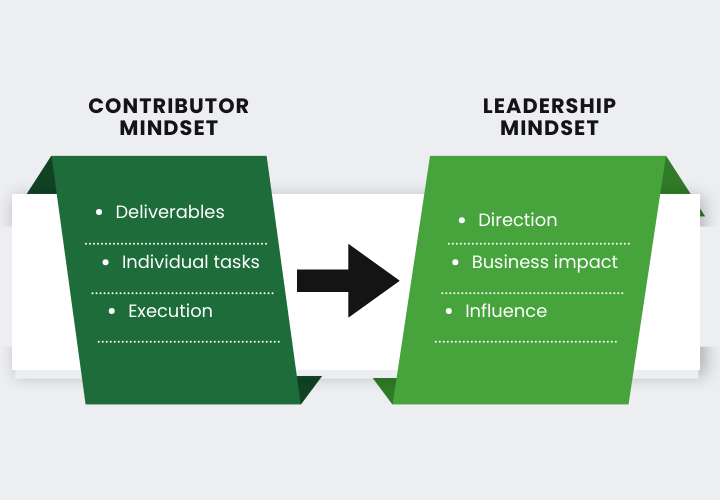
Even a successful career can reach a point where progress feels less certain. The job may still be interesting, the challenges still real, and the outcomes still rewarding. But quietly, a shift begins. You start thinking less about tasks and more about influence. Less about deliverables and more about direction. That’s often when the thought of an Executive MBA starts entering the picture.
But not every EMBA is the right fit, and more importantly, not everyone needs one at the same time. So, how do you know if this is the move that fits your path, right now?
It usually begins with a feeling. Then it sharpens into a choice. Here’s how to recognize whether that choice fits you.
You’ve Outgrown Just Doing - Now You Want to Shape
If your day-to-day work feels solid but no longer stretches you, that’s not a bad sign. It simply means you’ve grown. You might be leading product reviews, shaping releases, or mentoring others, but deep down, there’s this sense that you want to do more than contribute. You want to steer.
That craving to zoom out and connect what you do with where the business is going is one of the first signs that a structured leadership path might be the right next step. An EMBA in Product Leadership helps you build the skills to not just participate in strategy but drive it with confidence.
You Are Already Leading, Even Without the Role
Leadership doesn’t always wait for a title. You might find yourself naturally guiding teams, aligning cross-functional discussions, or holding space during uncertainty. Maybe people ask for your take on things that go beyond your job description. That kind of trust is earned.
But informal leadership can only go so far without structure. An EMBA helps build that structure. It equips you with a stronger foundation, especially if your career is moving toward roles that demand more strategic thinking and business fluency.
You Want Your Growth to Feel Intentional
Not every career needs a straight line, but at a certain stage, most professionals want to know they’re not just drifting. Maybe you’ve grown fast early in your career, and now things feel unclear. Or maybe you’ve done well in your role but are asking what kind of impact you really want to have moving forward.
When you are seeking alignment between your skills, your work, and your goals, that’s when an EMBA becomes more than just another qualification. It becomes a reset button. A place to reflect, regroup, and reimagine what the next version of your leadership could look like.
You Feel Ready to Engage With Bigger Decisions
Product professionals often sit in the middle of complexity- users, tech, design, marketing, leadership. But what separates a strong contributor from a strong leader is how they make decisions when there’s no perfect answer.
If you’ve started caring more about the why behind choices, the market implications of features, or the cost of missed opportunities, that mindset shift matters. It shows you are ready for a broader conversation, the kind that Executive MBA programs are designed to prepare you for.
You Miss Being Challenged, In a Good Way
Learning doesn’t stop in your twenties. But it can fade into the background once routines take over. If your brain is still curious but your calendar has been filled with repetition, it’s natural to start looking for a new stimulus.
The best EMBA programs offer exactly that, structured pressure, real feedback, thoughtful discussion, and space to think deeply. It’s not about chasing another degree. It’s about sharpening your thinking in a room full of peers who are serious about doing the same.
You Are Thinking About Your Career in Chapters, Not Roles
There’s a difference between climbing and evolving. If you’re reflecting more on who you want to become than what title to chase next, that’s a powerful place to be. Executive MBA programs are not just for career moves. They are for mindset shifts. For transitions into leadership that’s driven by vision, not just velocity.
This kind of reflection usually shows up when you are ready to shift from growing your skills to growing your influence. It’s not about urgency. It’s about timing.
You Want a Community That Matches Your Drive
The people you surround yourself with matter more than any curriculum. If you’ve been craving deeper conversations, more meaningful connections, and guidance from people who’ve done what you want to do, that’s something to listen to.
Executive MBA cohorts bring together professionals from different paths who share one thing: they are not done learning. Being in that kind of room changes how you think, how you listen, and how you lead.
Turning Reflection into Action
There is no one right time to pursue an Executive MBA. It’s not about age or title. It’s about mindset. About knowing when you are ready to shift from doing to shaping, from reacting to directing, from wondering to deciding.
If this feels familiar, you are probably already halfway there.
There is a program built around these very questions. One that supports experienced product professionals in making that next move thoughtfully and confidently. You can read more about it in the Executive MBA in Product Leadership.
What matters most is not the degree. It’s the decision. And whether that decision matches the kind of leader you are becoming.
Frequently Asked Questions
1. What kind of professional usually benefits most from an Executive MBA in Product Leadership?
Those with mid to senior-level experience in product, tech, or design who are looking to grow into more strategic, cross-functional leadership roles.
2. How do I know if it is the right time in my career to pursue an EMBA?
If you are already leading without the title, feeling stuck in your growth path, or thinking more about long-term impact, the timing might be right.
3. Will I be able to balance work and study while pursuing the program?
Most Executive MBA programs are designed for working professionals, with weekend or modular formats that allow you to continue in your current role.
4. Is this program only for people already in leadership roles?
No. Many join when they are transitioning into bigger roles or seeking clarity and confidence before taking that next step.
5. What kind of outcomes can I expect after completing the program?
Clarity in decision making, stronger business perspective, access to a powerful peer network, and greater readiness for senior leadership roles.
Our Popular Product Management Programs